Mathematical symbols
Common and advanced symbols used in mathematics.
24 symbols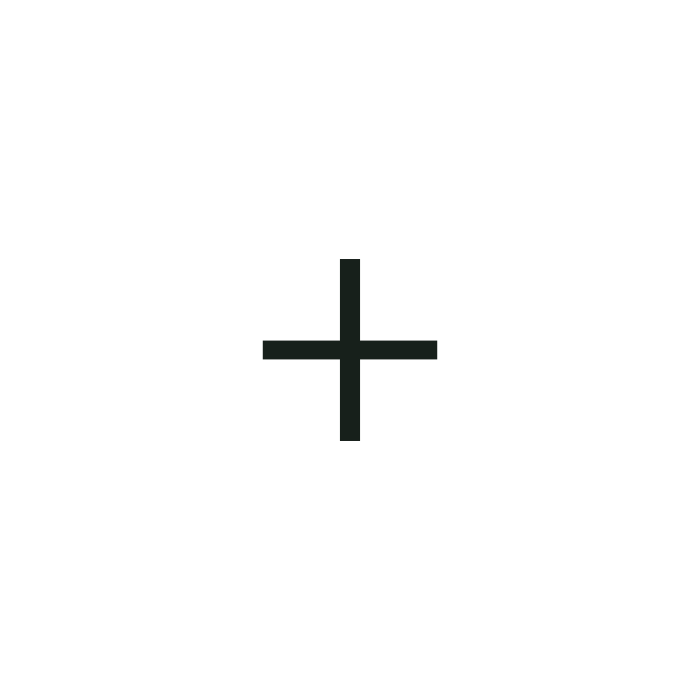 Addition (plus)Adds one quantity to another.
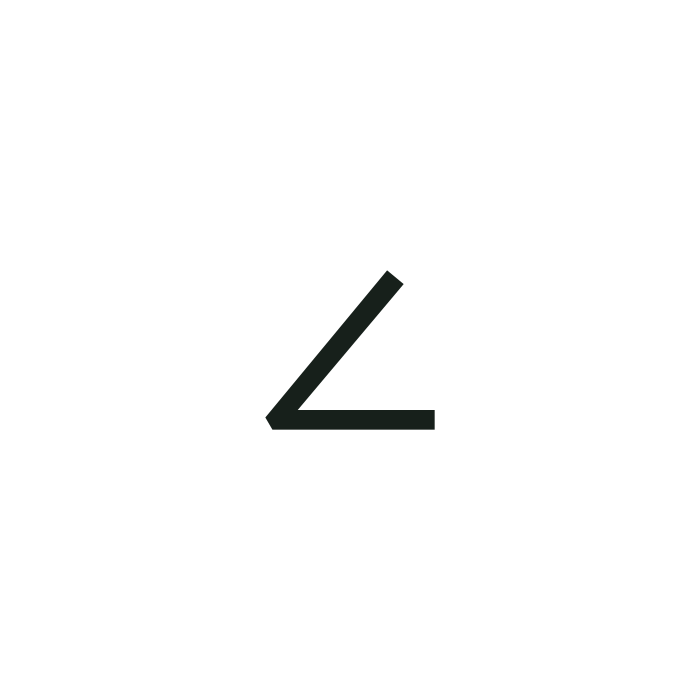 AngleRepresents an angle in geometry.
 Approximately equal toStates that two values are close but not necessarily exactly equal.
 DegreesMarks an angle measurement in degrees.
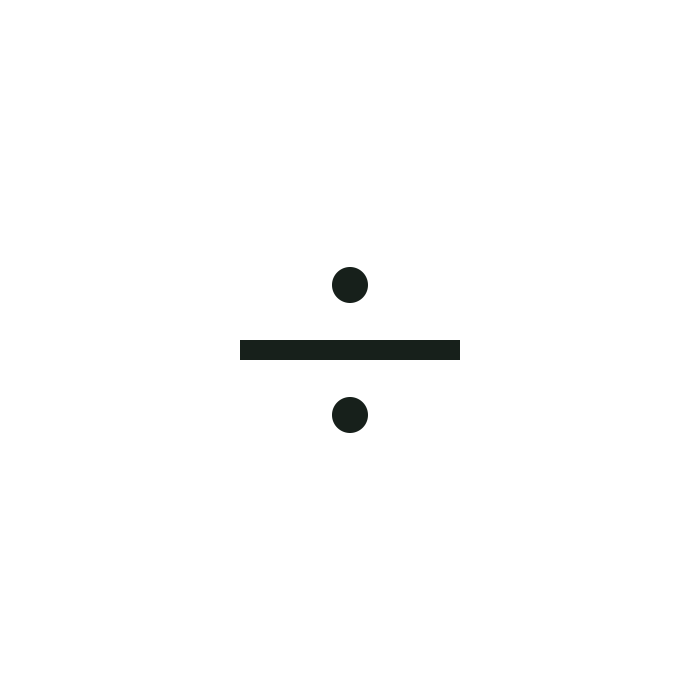 DivisionDivides one quantity by another.
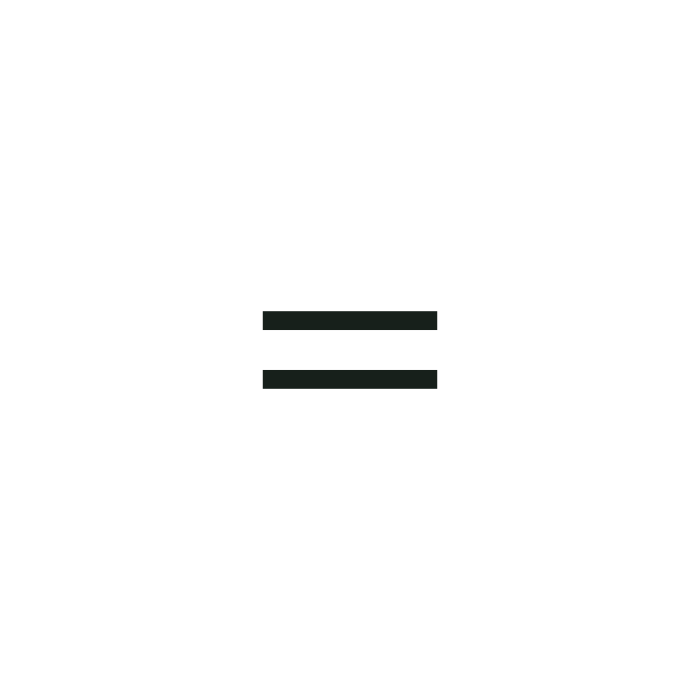 Equal toStates that two expressions have the same value.
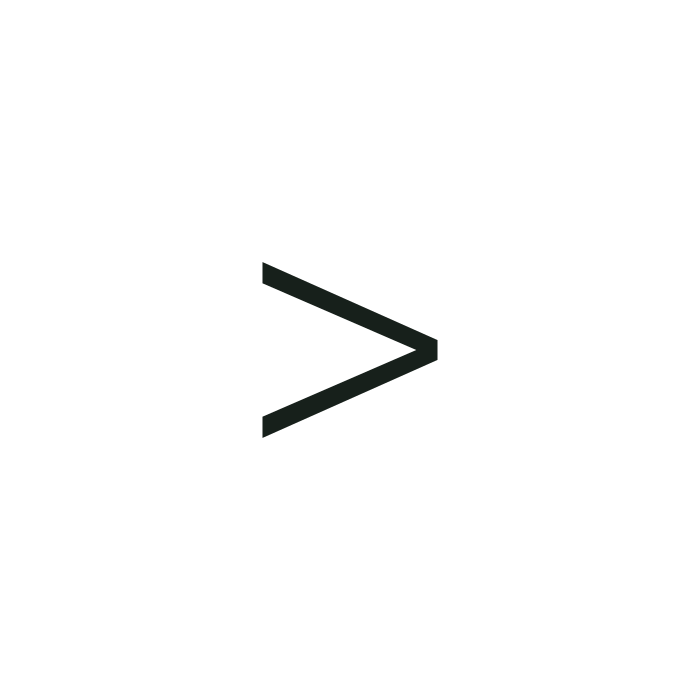 Greater thanThe value on the left is larger than the value on the right.
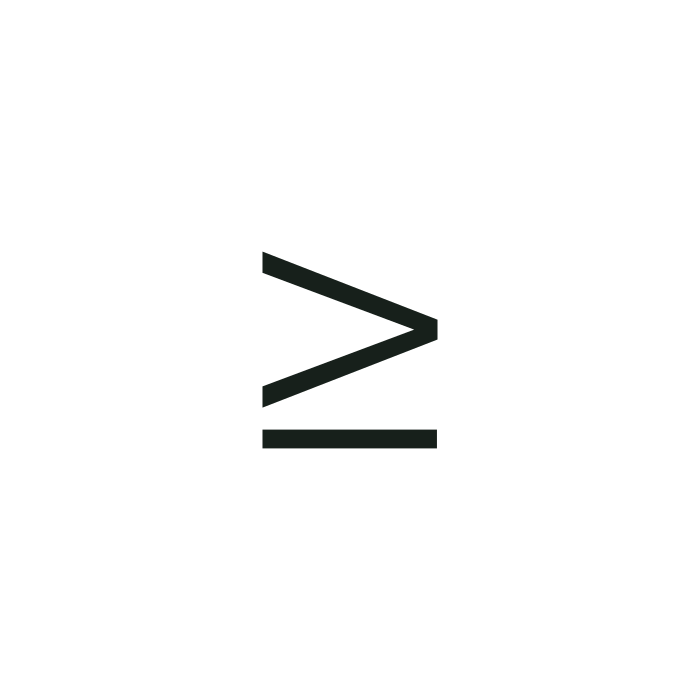 Greater than or equal toThe value on the left is larger than or equal to the value on the right.
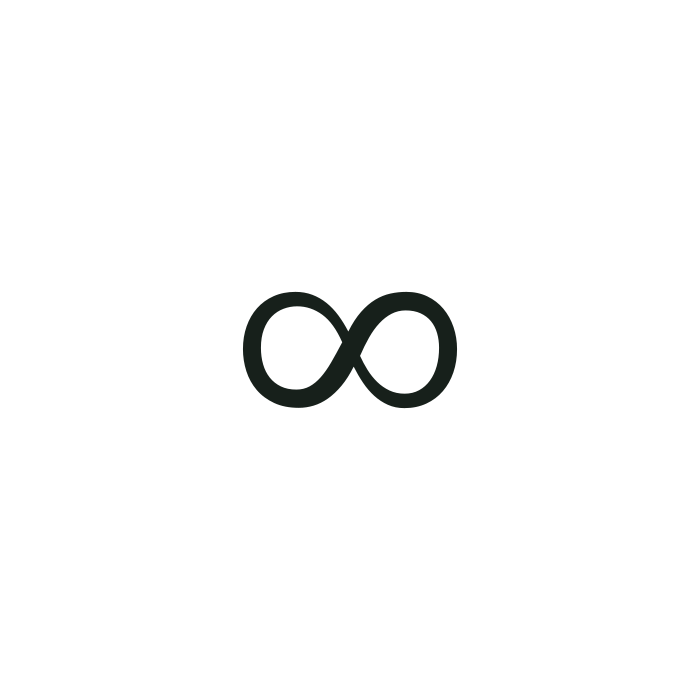 InfinityRepresents something without a finite limit or end.
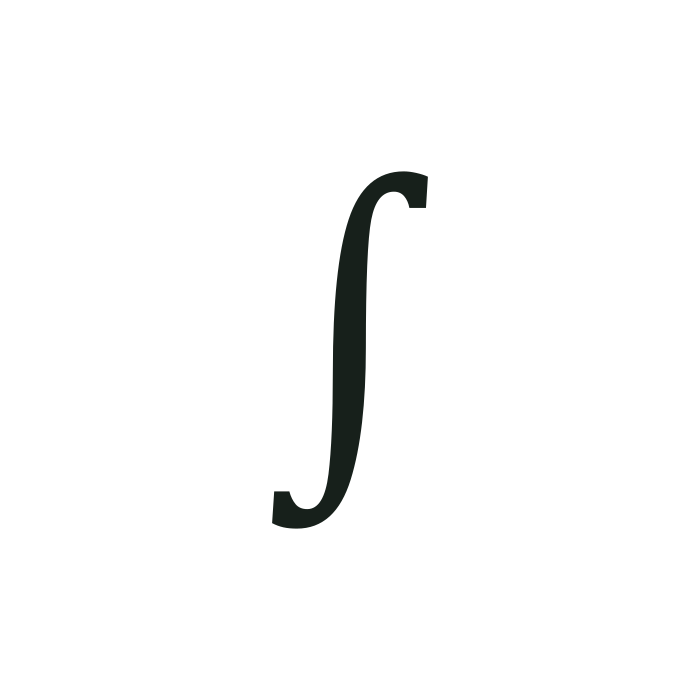 IntegralRepresents integration, such as accumulation or the area under a curve.
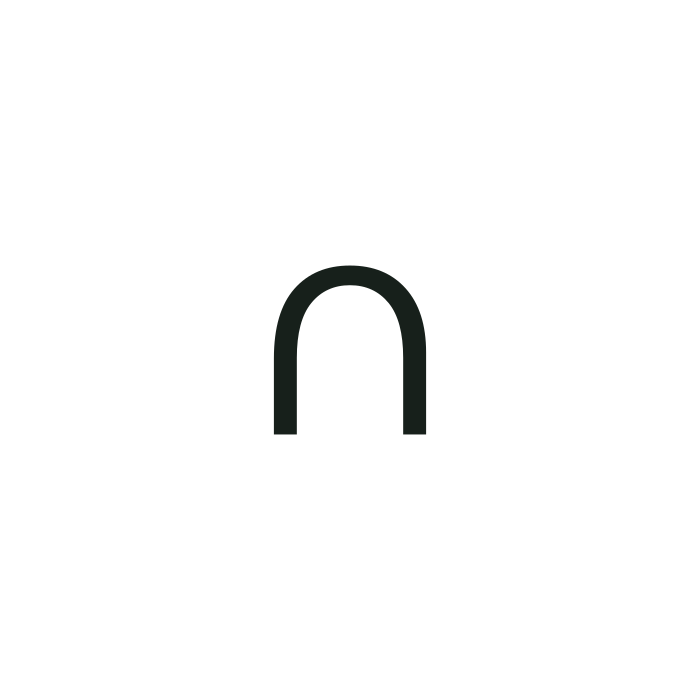 Intersection of setsSelects the elements common to both sets.
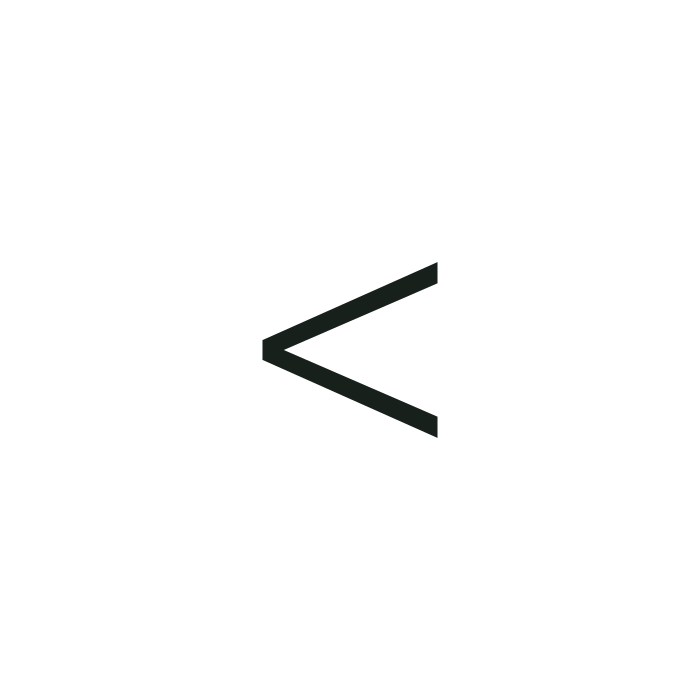 Less thanThe value on the left is smaller than the value on the right.
 Less than or equal toThe value on the left is smaller than or equal to the value on the right.
 MultiplicationMultiplies one quantity by another.
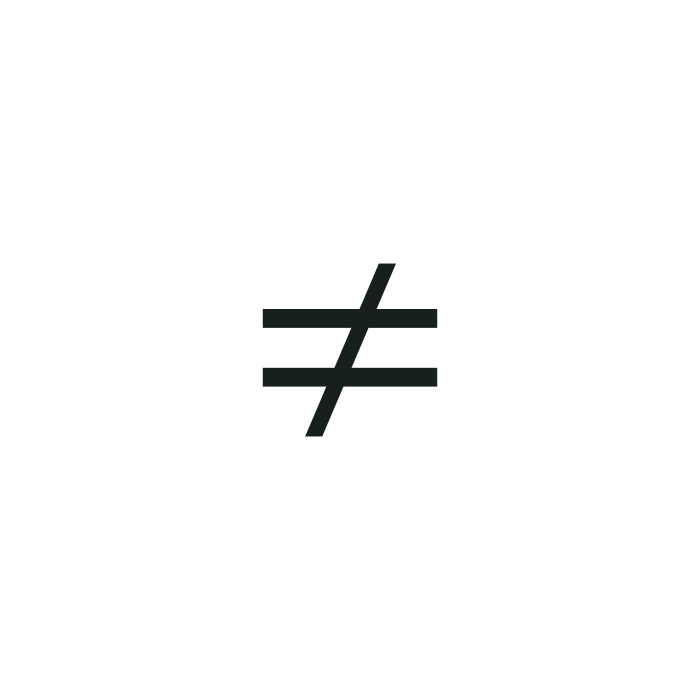 Not equal toStates that two expressions do not have the same value.
 Parallel toStates that two lines lie in the same direction and do not meet.
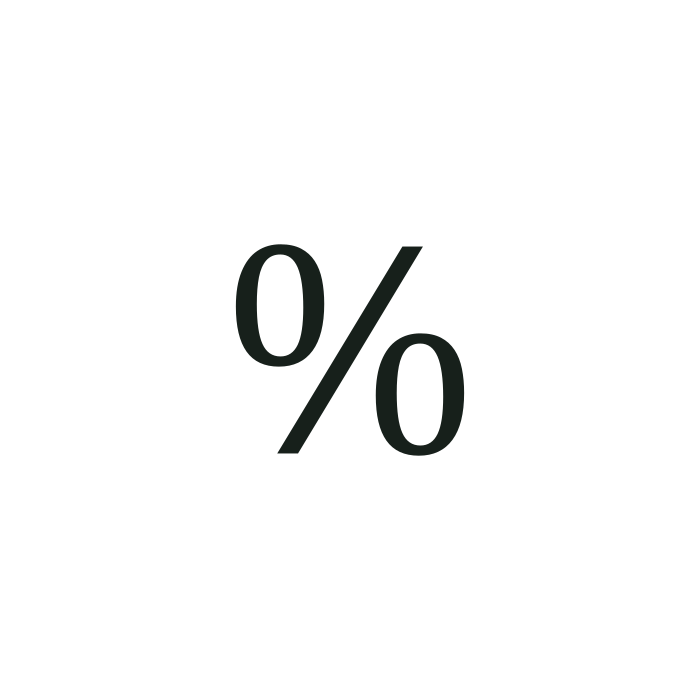 PercentageExpresses a number as parts per hundred.
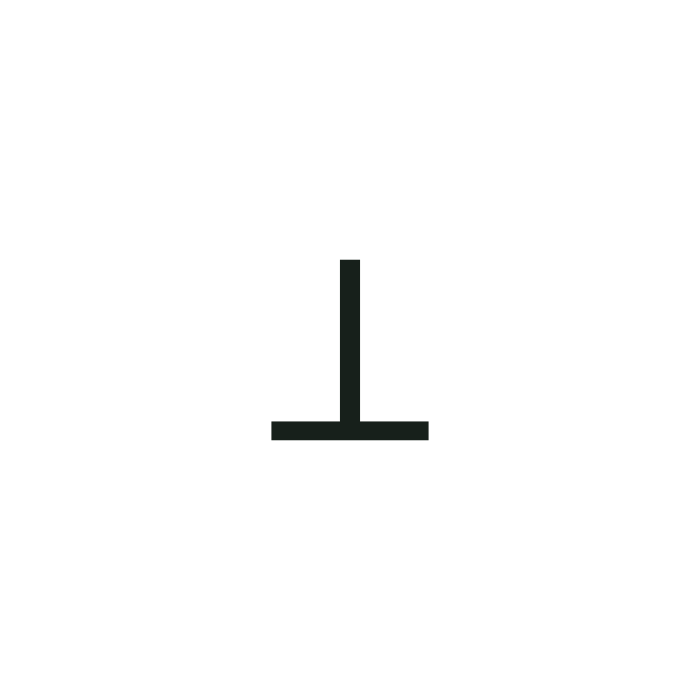 Perpendicular toStates that two lines meet at a right angle.
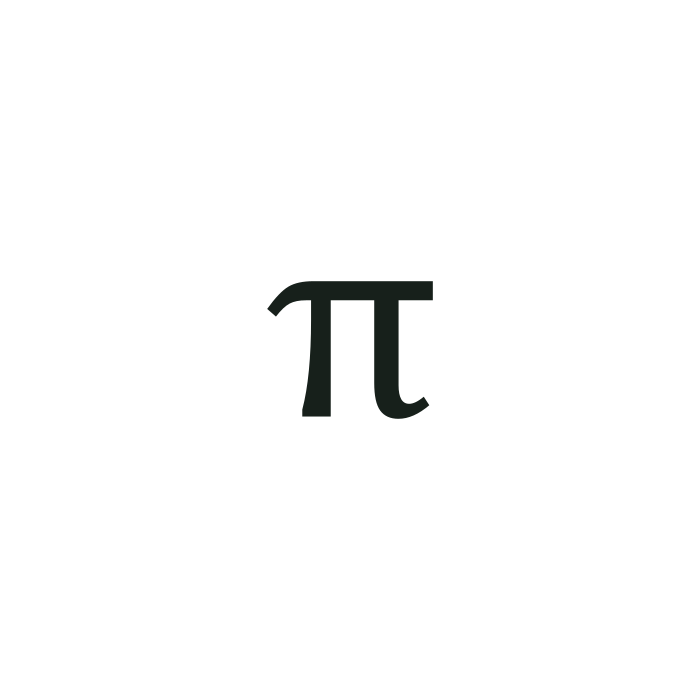 PiThe constant representing a circle's circumference divided by its diameter.
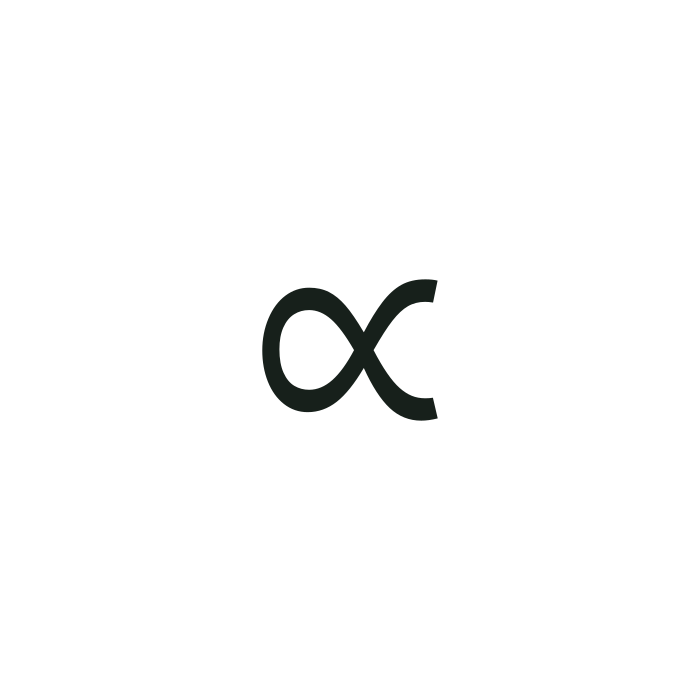 Proportional toStates that one quantity changes in constant proportion to another.
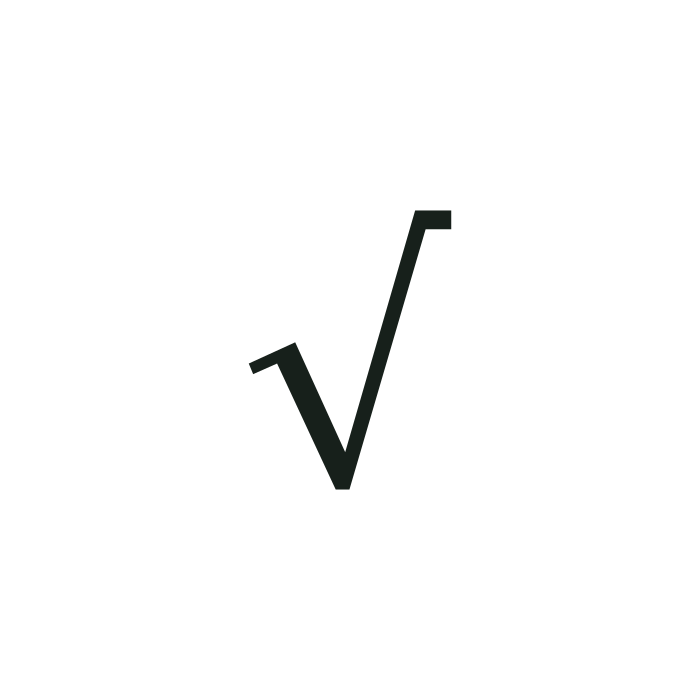 Square rootIndicates a value which, multiplied by itself, produces the number beneath the radical.
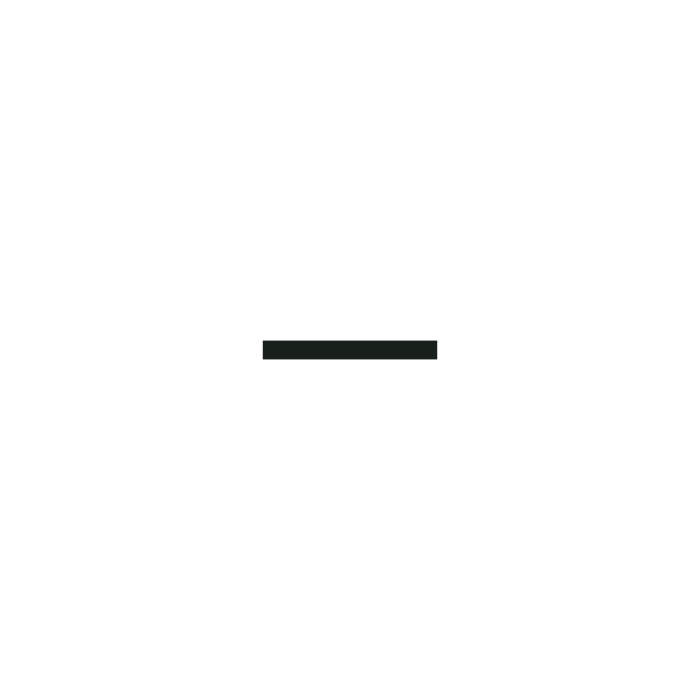 Subtraction (minus)Subtracts one quantity from another, or marks a negative value.
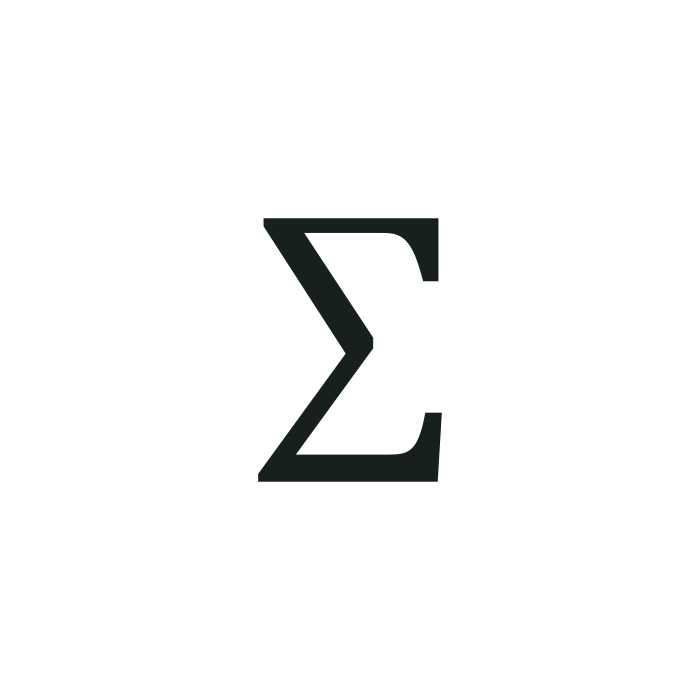 SummationInstructs that a sequence of terms should be added together.
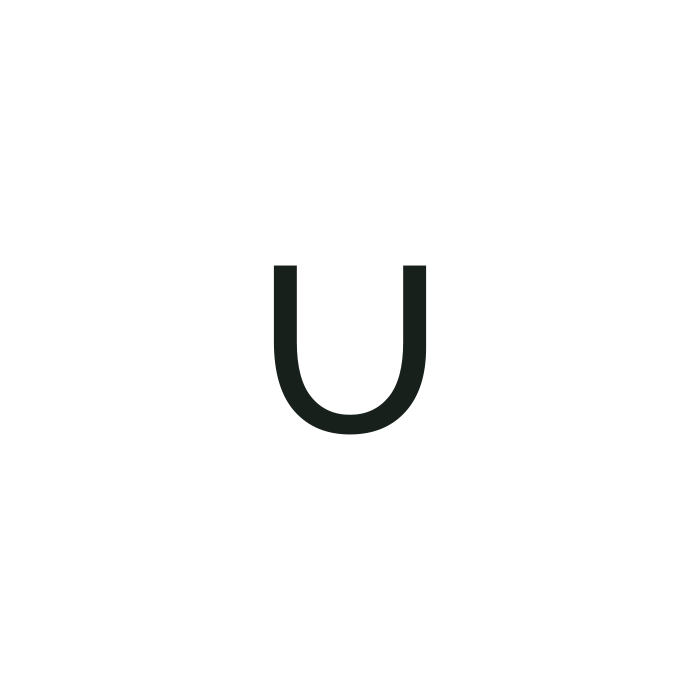 Union of setsCombines all elements belonging to either of two sets.