Musical notation
Symbols used in Western musical notation.
24 symbols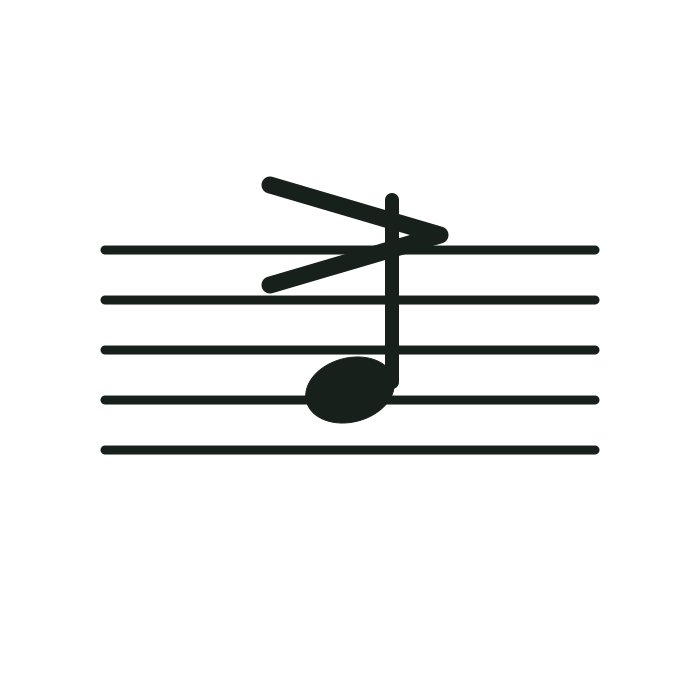 AccentPlay the note with extra emphasis.
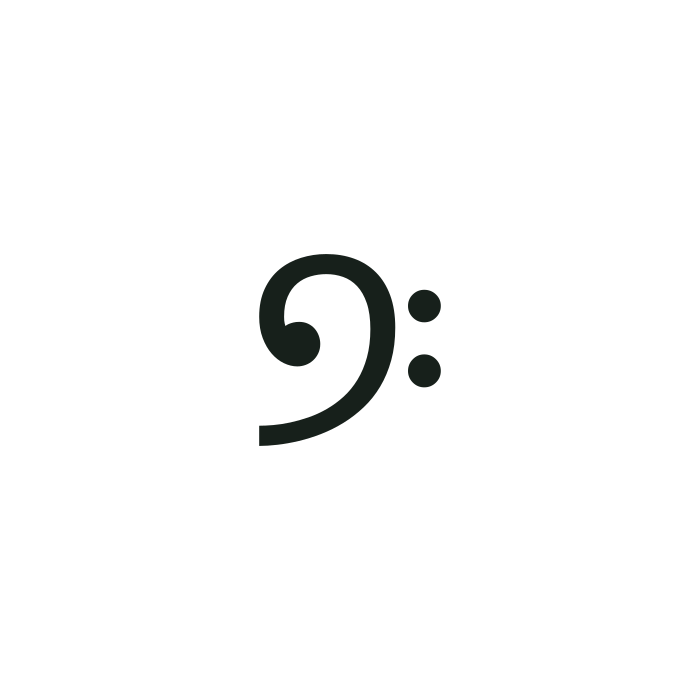 Bass clefA clef normally used for lower-pitched music; it places F on the fourth line of the staff.
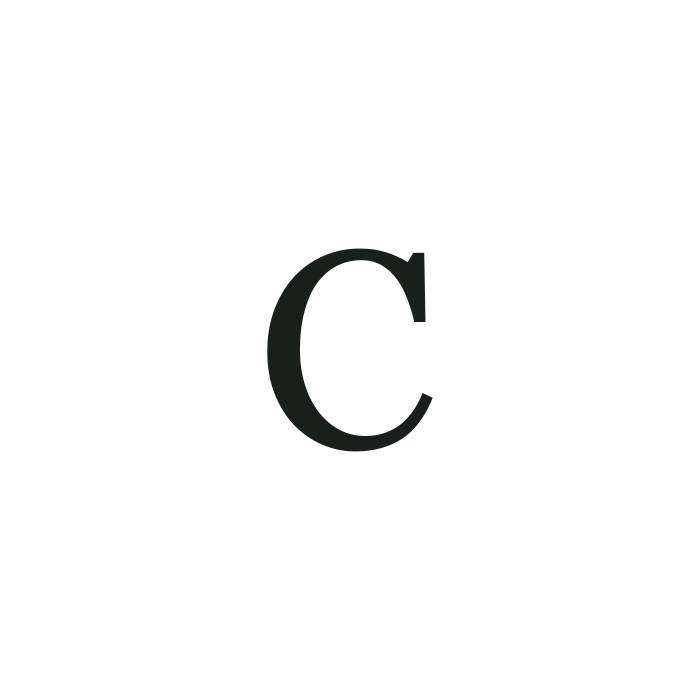 Common timeAnother way of writing a 4/4 time signature.
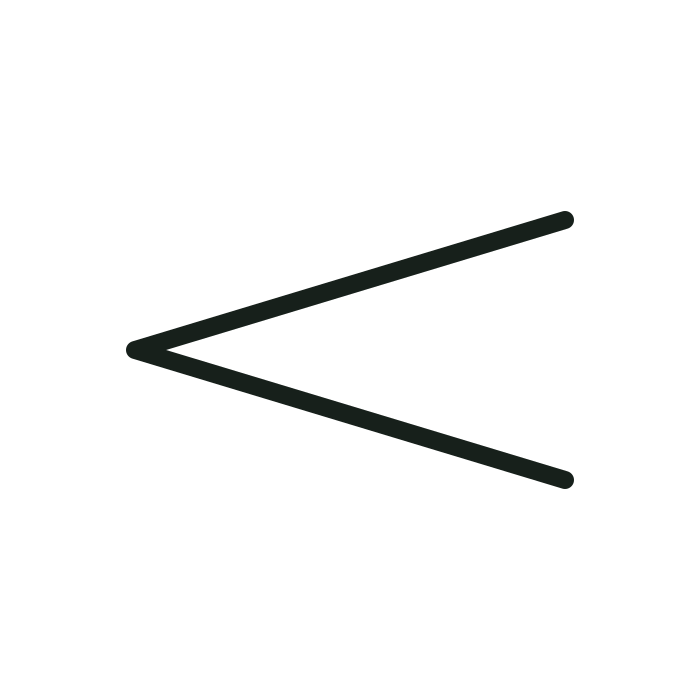 CrescendoGradually become louder.
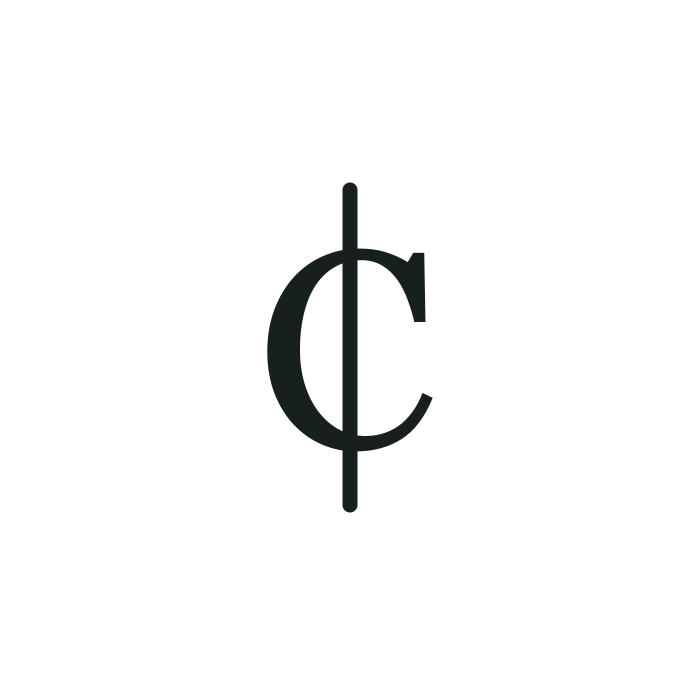 Cut timeAnother way of writing a 2/2 time signature.
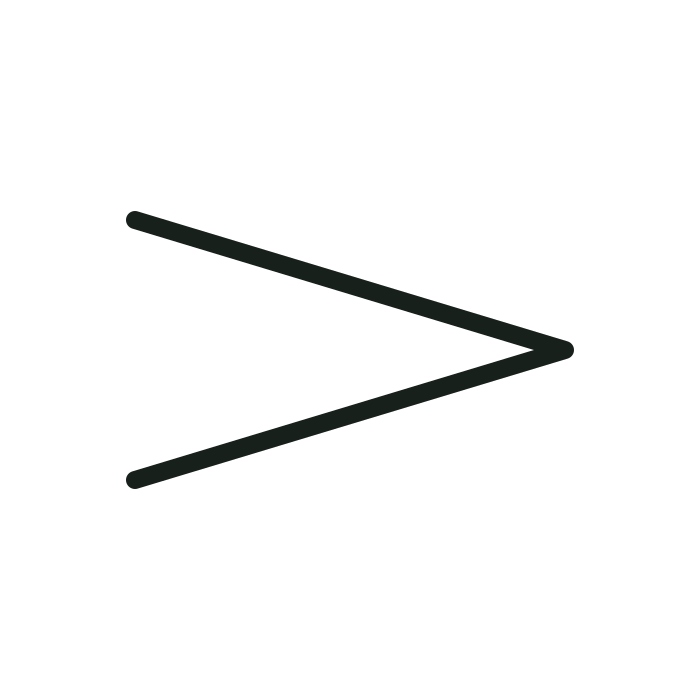 DiminuendoGradually become quieter.
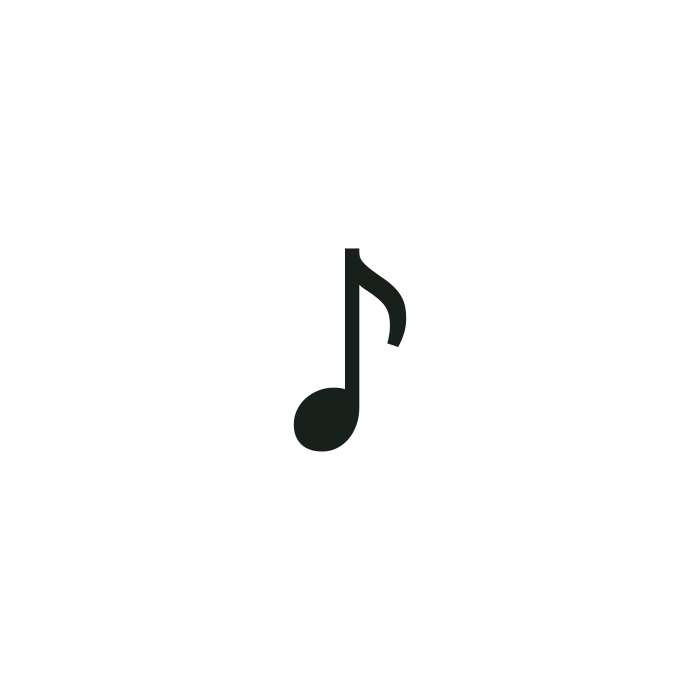 Eighth note (quaver)A filled note with a stem and one flag, lasting half a quarter note.
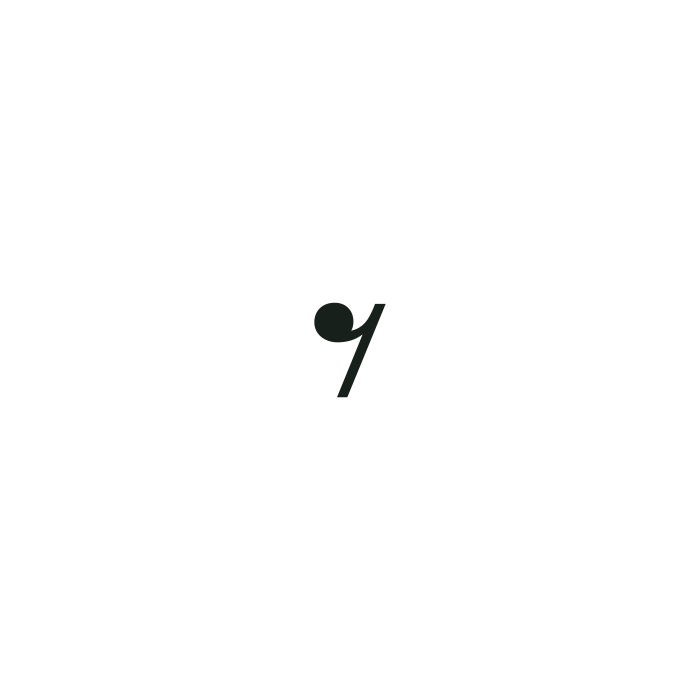 Eighth rest (quaver rest)A rest normally lasting half a beat in common time.
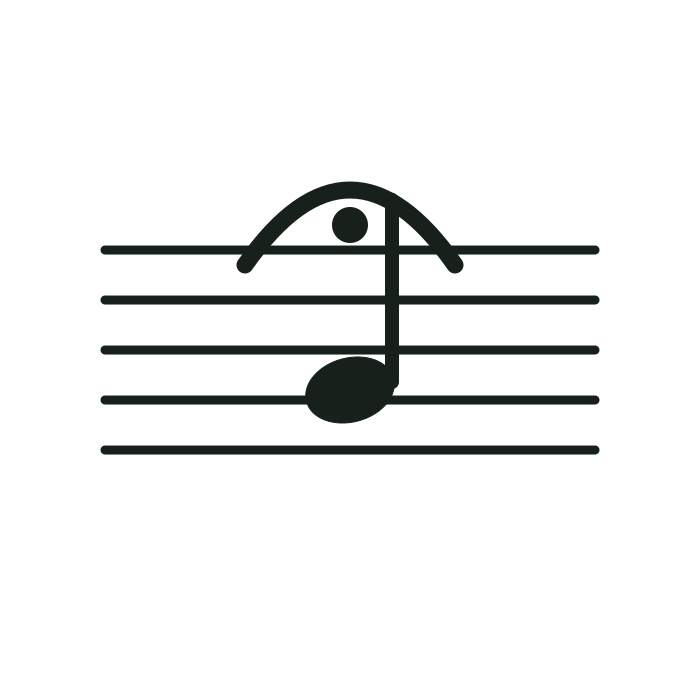 FermataHold the note or rest longer than its written value.
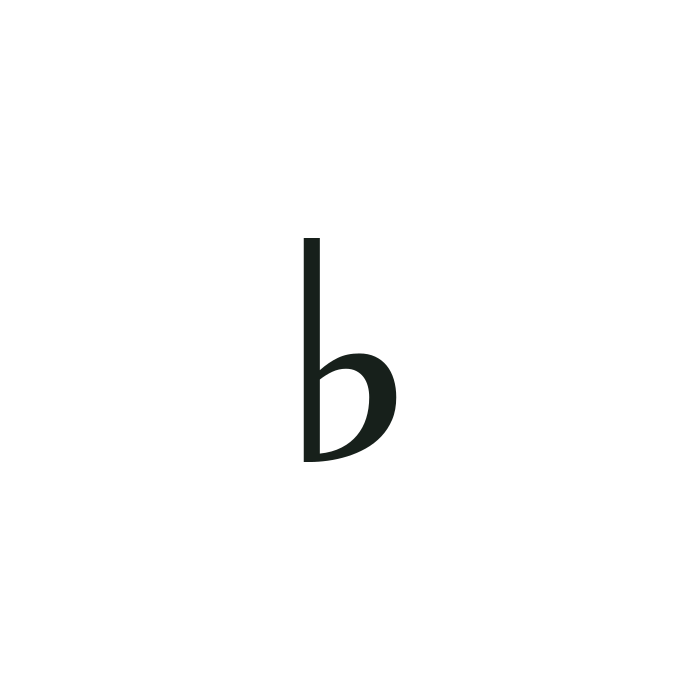 FlatLowers the pitch of a note by one semitone.
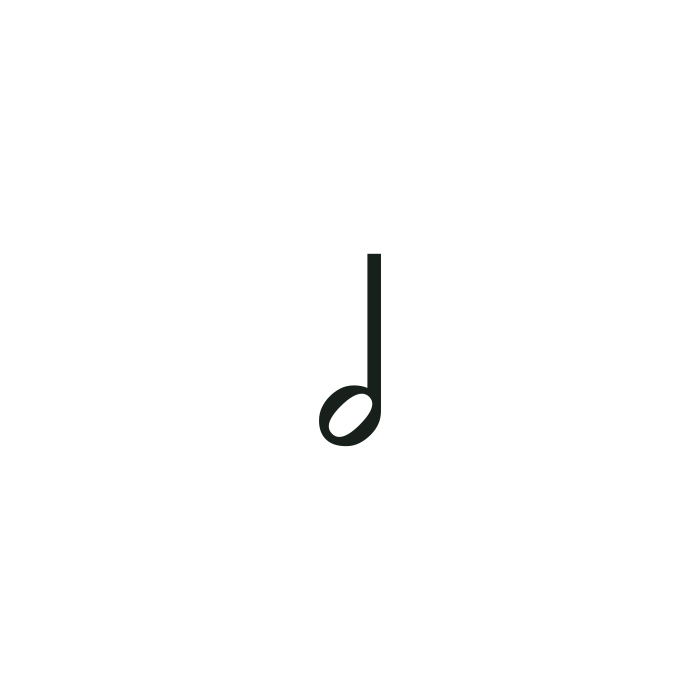 Half note (minim)A hollow note with a stem, normally lasting two quarter-note beats.
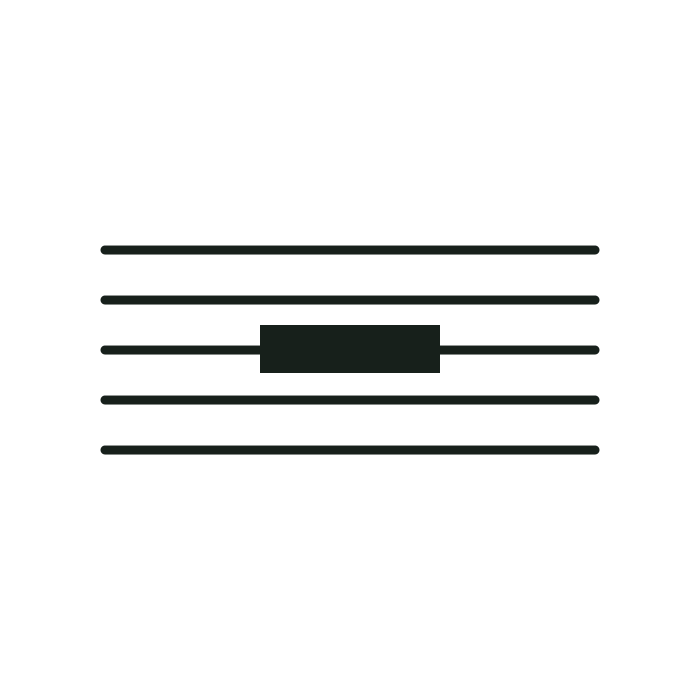 Half rest (minim rest)A rest normally lasting two beats; it sits on top of a staff line.
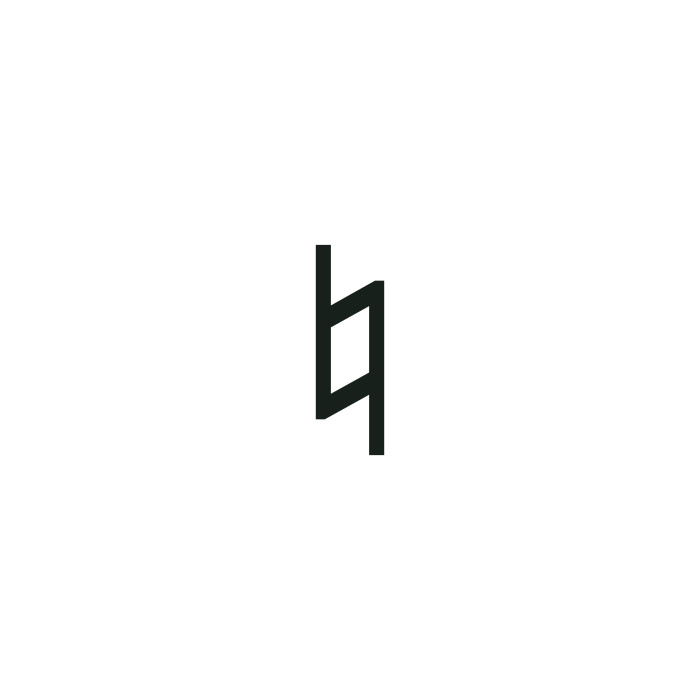 NaturalCancels a previous sharp or flat and restores the unaltered pitch.
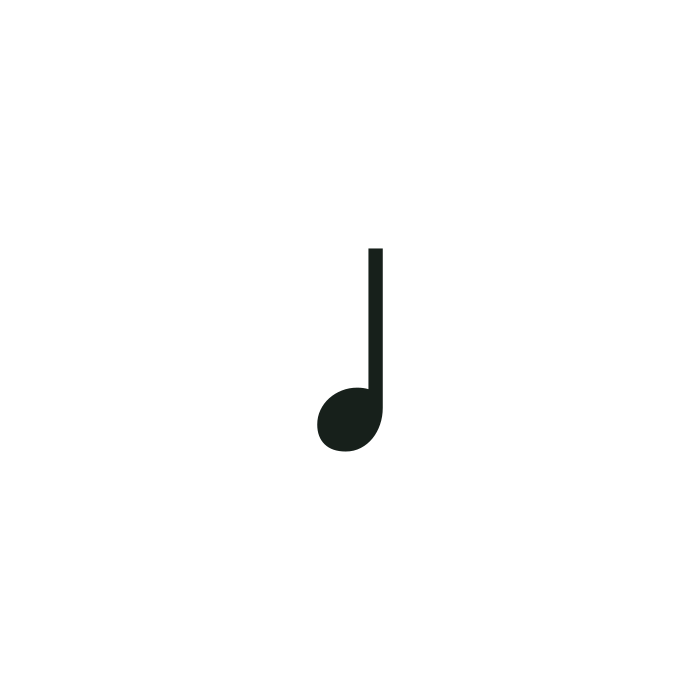 Quarter note (crotchet)A filled note with a stem, normally lasting one beat in common time.
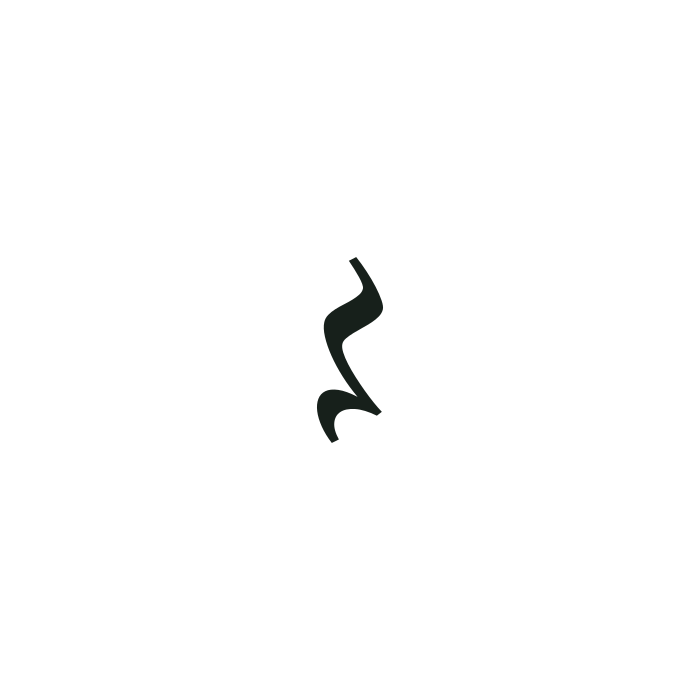 Quarter rest (crotchet rest)A rest normally lasting one beat.
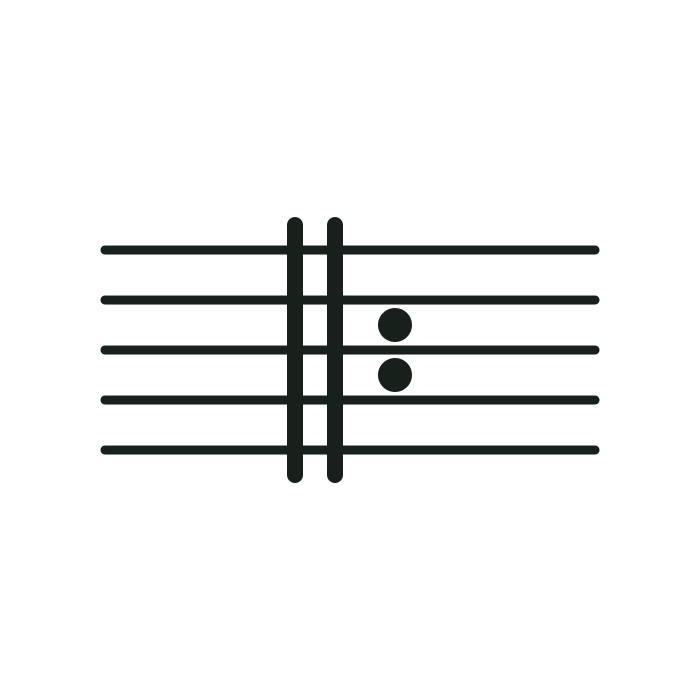 Repeat from hereThe dots and double bar line instruct the performer to repeat a section.
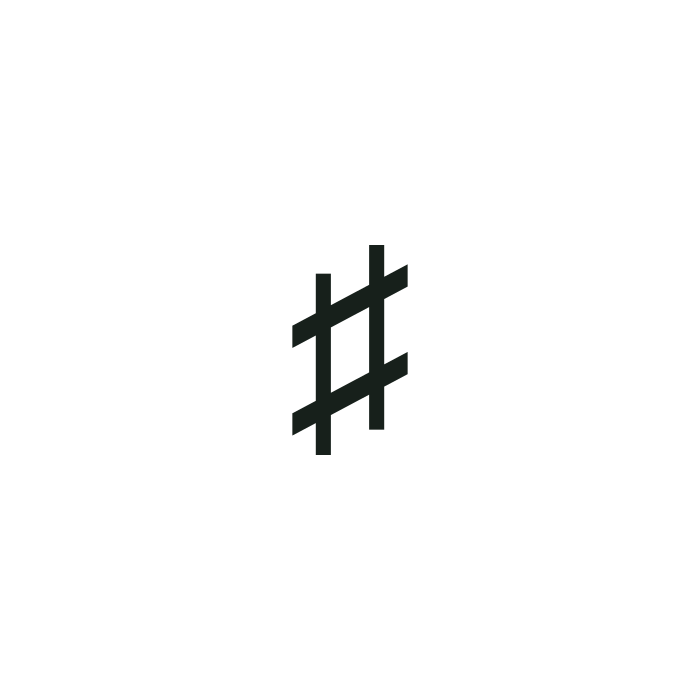 SharpRaises the pitch of a note by one semitone.
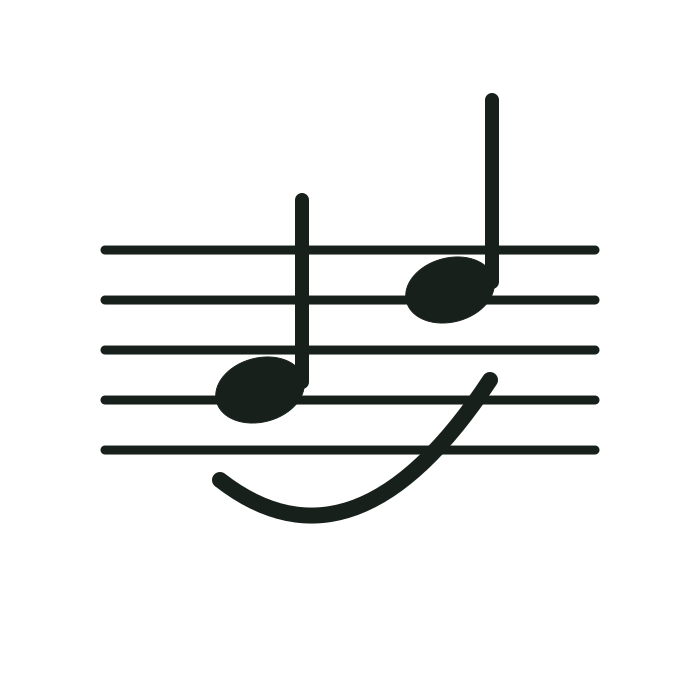 SlurA curved line over notes of different pitches, indicating they should be played smoothly as a phrase.
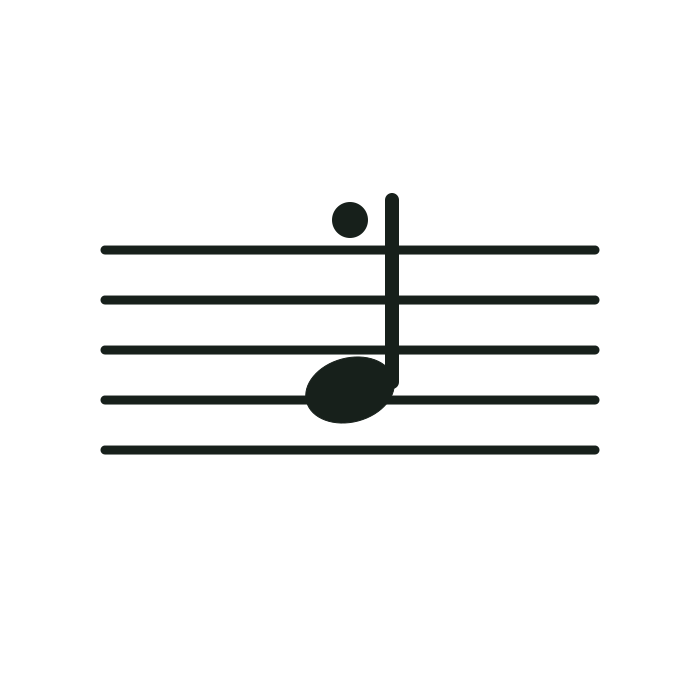 StaccatoPlay the note short and detached.
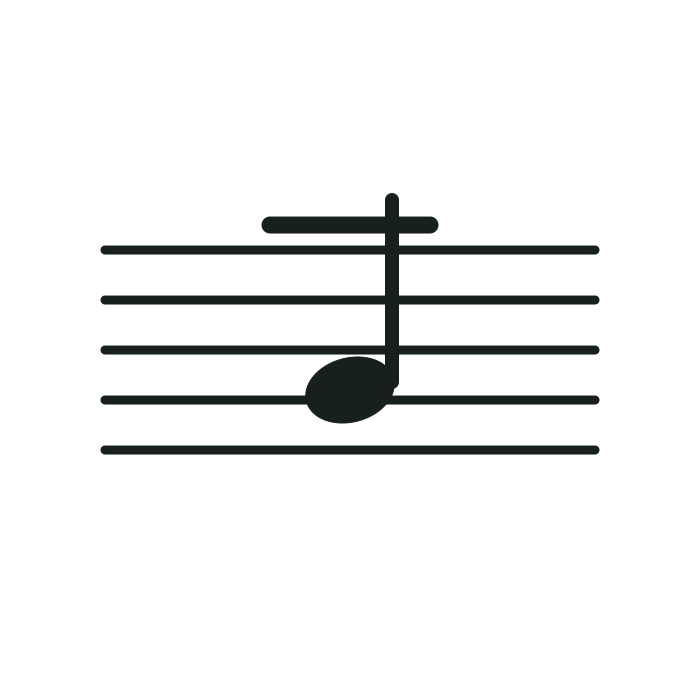 TenutoHold the note for its full value, often with gentle emphasis.
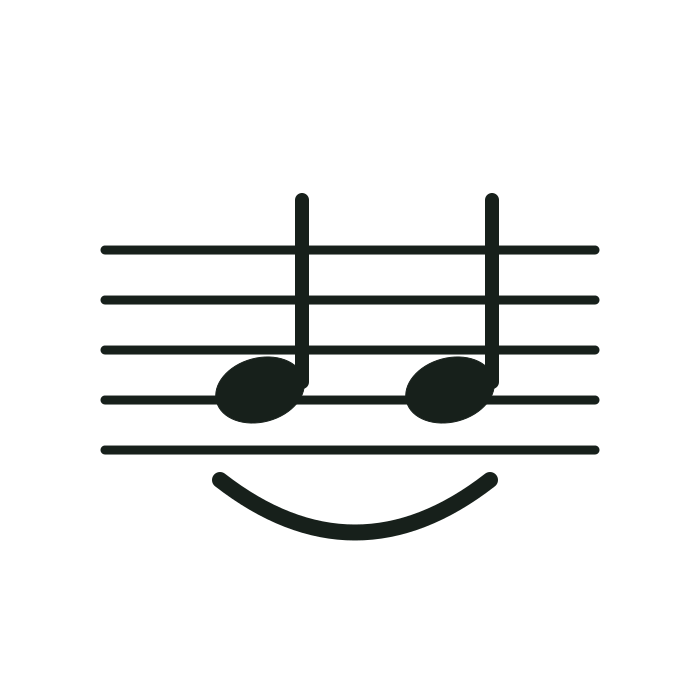 TieA curved line joining two notes of the same pitch, combining their durations.
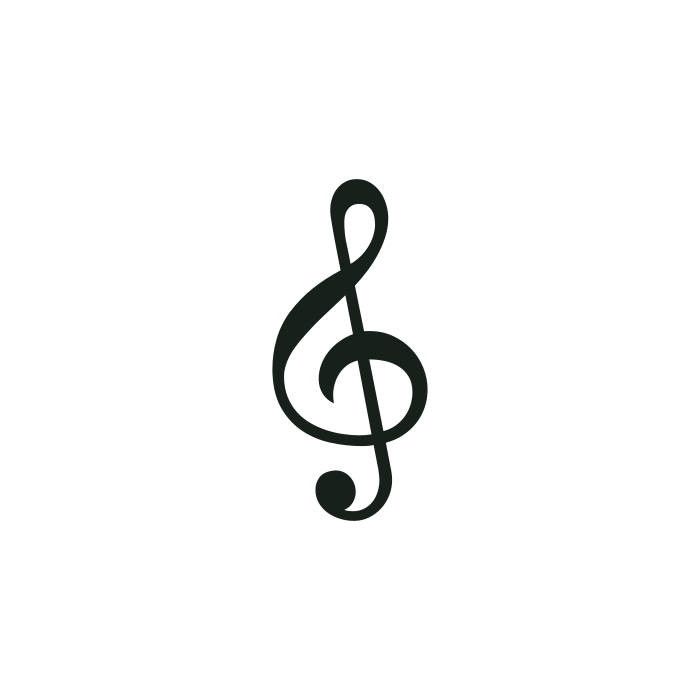 Treble clefA clef normally used for higher-pitched music; it places G on the second line of the staff.
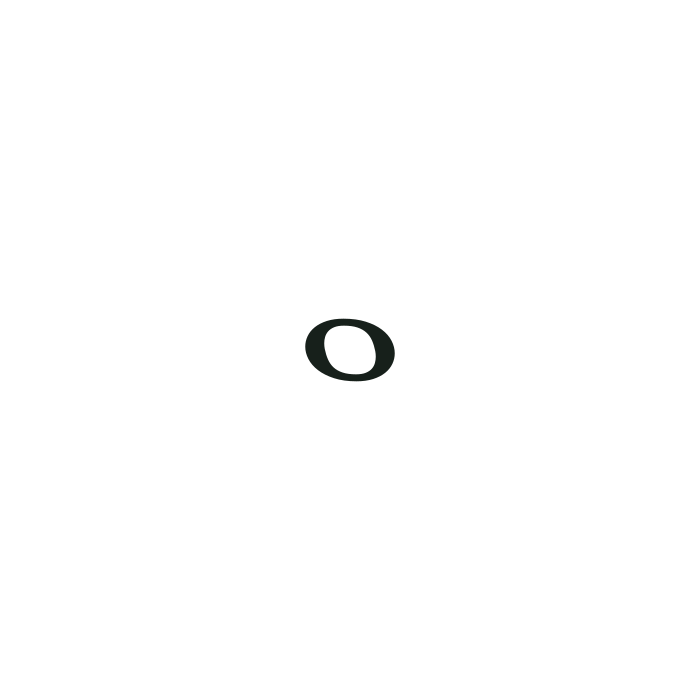 Whole note (semibreve)A hollow note without a stem, normally lasting four quarter-note beats in common time.
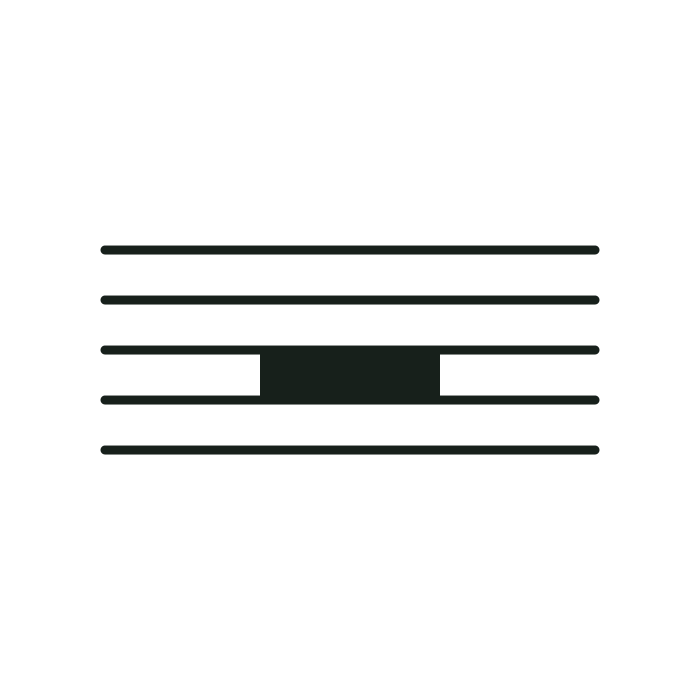 Whole rest (semibreve rest)A rest normally lasting a whole four-beat measure; it hangs below a staff line.